
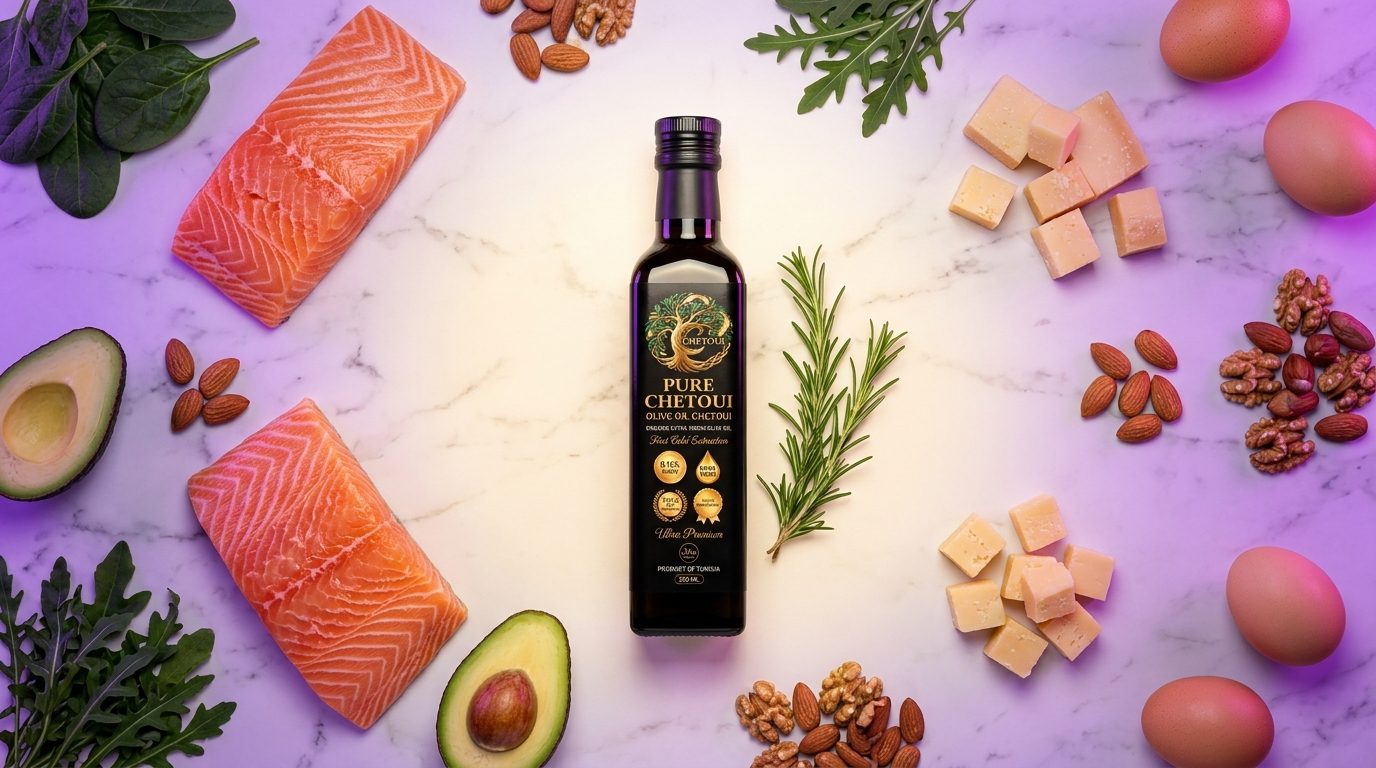
Keto Diet Olive Oil — The Essential Fat for Ketosis
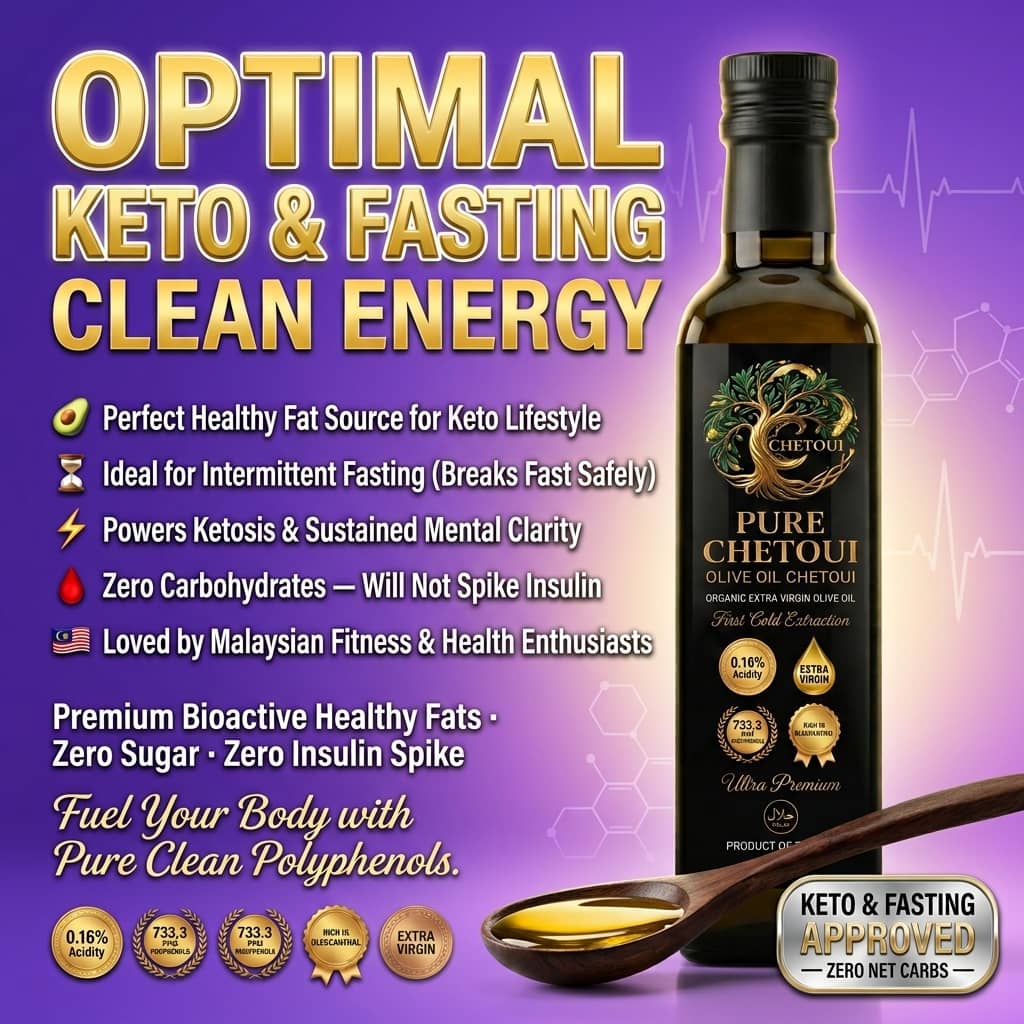
Keto diet olive oil is the single most powerful fat you can add to a ketogenic eating plan — and the science backs this up without question. While coconut oil, butter, and MCT oil dominate the keto conversation, extra virgin olive oil (EVOO) outperforms every one of them in inflammation control, cardiovascular protection, and long-term metabolic health. If you want to stay in ketosis and protect your body from the oxidative stress of high-fat eating, olive oil is not optional — it is essential.
This guide covers everything you need to know about using olive oil on keto: the fatty acid profile that makes it ideal, how polyphenols protect you when fat intake is sky-high, practical daily macro calculations, Malaysian keto recipes, and the clinical evidence that separates EVOO from every other fat on your plate. Whether you are searching for olive oil keto benefits or you are a Malaysian reader looking for advice on minyak zaitun keto, this article delivers the answers.
Table of Contents
- Why Keto Diet Olive Oil Is the Best Fat for Ketosis
- Oleic Acid: The Perfect Keto Fatty Acid
- How Polyphenols Counter Keto Inflammation
- Keto Diet Olive Oil vs Other Fats: Head-to-Head Comparison
- How to Use Olive Oil on Keto: Practical Daily Guide
- Malaysian Keto Meals with Olive Oil
- Olive Oil and Intermittent Fasting on Keto
- The Science: Why Keto Needs High-Polyphenol Olive Oil
- Choosing the Right Olive Oil for Your Keto Diet
- Frequently Asked Questions
Why Keto Diet Olive Oil Is the Best Fat for Ketosis
The ketogenic diet demands that 70-80% of your daily calories come from fat. That single requirement makes your choice of fat source the most consequential dietary decision you will make on keto. Choosing the wrong fats — processed seed oils, excessive saturated fat, inflammatory omega-6 — can turn a promising health strategy into a cardiovascular liability.
Keto diet olive oil solves this problem because EVOO delivers three things no other fat can match simultaneously:
- A dominant monounsaturated fatty acid profile that your body metabolises efficiently for ketone production
- Potent polyphenol antioxidants that neutralise the oxidative stress created by high-fat metabolism
- Clinically proven cardiovascular protection that counteracts the heart-health concerns many doctors raise about keto
No other fat on the keto menu — not coconut oil, not butter, not ghee, not avocado oil — delivers all three. This is why leading nutrition researchers increasingly recommend olive oil as the primary fat source in any high-fat dietary pattern.
Oleic Acid: The Perfect Keto Fatty Acid
The foundation of olive oil keto benefits starts with oleic acid — a monounsaturated omega-9 fatty acid that dominates the EVOO fatty acid profile. Pure Chetoui extra virgin olive oil contains 65.24% oleic acid, making it one of the most concentrated sources of this specific fatty acid available anywhere.
Here is why oleic acid is uniquely suited for ketogenic eating:
- Efficient ketone conversion — monounsaturated fats are metabolised smoothly for energy production in ketosis, providing steady fuel without the rapid spikes and crashes associated with short-chain fats
- LDL protection — oleic acid reduces LDL oxidation, which is the actual mechanism behind arterial damage. This protection is critical when your fat intake represents 70-80% of total calories.
- Anti-inflammatory action — counteracts the inflammatory potential that can accompany any high-fat eating pattern
- Natural appetite regulation — oleic acid triggers the release of oleoylethanolamide (OEA), a lipid-derived signalling molecule that communicates satiety to your brain, helping you avoid overeating even when your meals are calorie-dense
- Insulin sensitivity support — monounsaturated fats improve insulin sensitivity, which helps your body transition into and maintain ketosis more effectively
Compare this to coconut oil’s 82% saturated fat profile or butter’s 63% saturated fat content, and the advantage of olive oil becomes clear. When you are eating high-fat every single day for months or years, the type of fat you prioritise matters enormously.
How Polyphenols Counter Keto Inflammation
The keto diet’s biggest weakness is its potential to increase systemic inflammation — particularly when people load up on processed fats, bacon, and industrial seed oils without balancing their fat sources. This is precisely where keto diet olive oil provides a unique advantage that no other fat source can replicate.
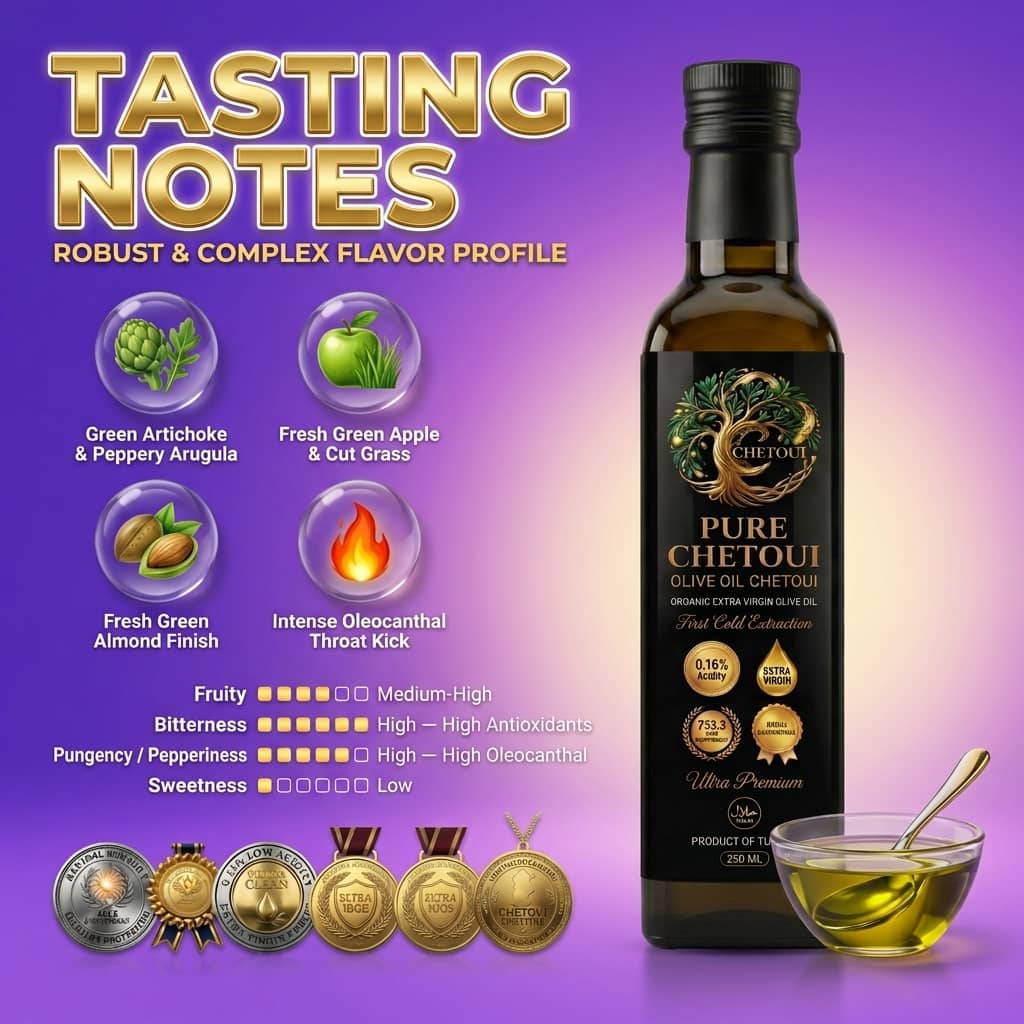
At 733.3 ppm polyphenols, Pure Chetoui delivers among the highest concentrations of anti-inflammatory compounds available in any food — not just any olive oil. These polyphenols include:
- Oleocanthal — inhibits COX-1 and COX-2 enzymes that produce inflammatory prostaglandins, functioning through the same biochemical pathway as ibuprofen but without the gastrointestinal side effects
- Hydroxytyrosol — one of the most potent natural antioxidants known to science, neutralising the free radicals generated by increased fat oxidation during ketosis
- Oleuropein — supports healthy blood pressure regulation, which is particularly important since some keto followers experience blood pressure fluctuations during adaptation
- Tyrosol — provides additional antioxidant defence and supports cellular integrity under metabolic stress
These polyphenols work together to protect LDL particles from oxidation — which is essential when you are consuming more dietary fat than the average person. They also support gut microbiome health, helping maintain bacterial diversity that keto can sometimes disrupt.
The difference between a standard olive oil (100-250 ppm polyphenols) and a high-polyphenol olive oil like Pure Chetoui (733.3 ppm) is not marginal — it is the difference between basic fat and active medicine working inside your body with every meal.
Keto Diet Olive Oil vs Other Fats: Head-to-Head Comparison
To find the best fat for keto diet success, you need to compare the options side by side. Here is how olive oil stacks up against every popular keto fat source:
| Fat Source | Monounsaturated Fat | Saturated Fat | Polyphenols | Smoke Point | Keto Suitability |
|---|---|---|---|---|---|
| EVOO (Pure Chetoui) | 65.24% | 14% | 733 ppm | 193 C | Excellent |
| Coconut Oil | 6% | 82% | 0 ppm | 177 C | Moderate |
| Butter | 21% | 63% | 0 ppm | 150 C | Moderate |
| Ghee | 29% | 62% | 0 ppm | 252 C | Moderate |
| Avocado Oil | 70% | 12% | <50 ppm | 271 C | Good |
| MCT Oil | 0% | 100% | 0 ppm | 160 C | Narrow use |
Olive Oil vs Coconut Oil for Keto
Coconut oil is popular in keto circles for its MCT content (medium-chain triglycerides), which convert rapidly to ketones. However, the full picture tells a different story:
- Coconut oil is 82% saturated fat — excessive saturated fat intake raises LDL cholesterol and long-term cardiovascular risk
- Zero polyphenols means zero anti-inflammatory or antioxidant protection
- Limited micronutrient content beyond the fatty acids themselves
- The rapid ketone spike from MCTs can actually cause digestive distress in many people
Best approach: use coconut oil occasionally for specific dishes that benefit from its flavour (like Malaysian curries or keto fat bombs), but make EVOO your primary daily fat source for sustained health protection.
Olive Oil vs Butter and Ghee for Keto
Butter and ghee are keto staples with undeniable flavour appeal, but they are dominated by saturated fat (63% and 62% respectively) with virtually no polyphenol content. Grass-fed versions contain some fat-soluble vitamins (A, D, K2), which is beneficial, but they cannot match the anti-inflammatory firepower of high-polyphenol olive oil. Use them for flavour where appropriate, but not as your primary fat source.
Olive Oil vs Avocado Oil for Keto
Avocado oil is the closest competitor to olive oil — it shares a similar monounsaturated fatty acid profile (high in oleic acid) and has a higher smoke point. However, avocado oil contains dramatically fewer polyphenols — typically below 50 ppm compared to 733 ppm in Pure Chetoui. For keto followers who prioritise long-term health alongside ketosis, olive oil wins decisively on health benefits per calorie.
How to Use Olive Oil on Keto: Practical Daily Guide
Daily Macro Calculation for Keto Diet Olive Oil
On a standard ketogenic diet (70% fat, 25% protein, 5% carbs) at 2,000 calories per day:
- Total fat target: approximately 155g per day
- Recommended from olive oil: 3-4 tablespoons (45-60ml) = approximately 42-56g of fat
- Percentage: roughly 30-35% of your daily fat intake from the single healthiest source available
- Calories from olive oil: approximately 400-500 kcal (one-quarter of your daily energy)
Start with 2 tablespoons daily if you are new to consuming olive oil regularly, and increase to 3-4 tablespoons over one to two weeks as your digestive system adapts.
Seven Practical Ways to Add Olive Oil to Keto Meals
- Morning tablespoon on empty stomach — starts your day with clean fat, maximises polyphenol absorption on an empty digestive tract, and gently stimulates bile production
- Bulletproof-style coffee alternative — blend 1 tablespoon EVOO into black coffee for a cleaner energy boost than butter. The polyphenols synergise with coffee’s own antioxidant compounds for amplified protection.
- Keto salad dressing base — 2 tablespoons EVOO + apple cider vinegar + Dijon mustard + salt = a perfect zero-carb dressing that adds healthy fats to every salad
- Finishing oil on cooked proteins — drizzle a tablespoon over grilled chicken, pan-seared salmon, or reverse-seared steak. Adding the oil after cooking preserves the full polyphenol content.
- Keto fat bomb ingredient — mix into fat bombs alongside coconut oil, cocoa powder, and macadamia nuts for a balanced fat profile
- Bone broth and soup finisher — stir a tablespoon into bone broth or cream-based keto soups just before serving for added richness and nutrition
- Egg preparation — scramble, fry, or poach your morning eggs in olive oil instead of butter for a superior fatty acid profile
Malaysian Keto Meals with Olive Oil
For Malaysian keto followers — and anyone searching for minyak zaitun keto advice — integrating olive oil into local dishes is easier than you might expect. The key is to substitute olive oil for palm oil or vegetable oil in recipes where the swap does not dramatically alter the dish’s character.
Here are proven Malaysian keto meals using olive oil as the primary fat:
- Tumis sayur (sauteed vegetables) — kangkung, bayam, or brokoli tumis with garlic and chilli in olive oil instead of palm oil. The high smoke point of quality EVOO handles stir-frying without any issues.
- Telur dadar (omelette) — cook your omelette in 1 tablespoon of olive oil for healthier monounsaturated fats and a subtle flavour upgrade
- Ayam panggang (grilled chicken) — marinate chicken thighs in olive oil, turmeric, and lemongrass before grilling. Drizzle additional raw EVOO before serving.
- Sambal base — use olive oil as the base fat for cooking sambal. High-polyphenol EVOO can handle the required heat, and the peppery flavour of Chetoui cultivar olive oil complements chilli beautifully.
- Sup tulang (bone soup) — finish your bone soup with a tablespoon of raw EVOO for added fat content and polyphenol benefits
- Ikan bakar (grilled fish) — brush fish with olive oil before grilling and drizzle again before serving. The omega-9 from the olive oil pairs nutritionally with the omega-3 from the fish.
At RM 109 for 250ml, Pure Chetoui delivers roughly 16 tablespoons of the highest-polyphenol olive oil available in Malaysia — approximately RM 6.80 per daily serving. Compare this to the cost of keto supplements, exogenous ketones, or medical bills from unchecked inflammation, and the value becomes clear.
Olive Oil and Intermittent Fasting on Keto
Many keto followers also practise intermittent fasting (IF), combining time-restricted eating with ketogenic macros for amplified fat loss and metabolic benefits. Here is exactly how olive oil fits into this powerful combination:
During the Eating Window
Maximise your olive oil intake during your eating window. Drizzle liberally on meals, use as your primary cooking oil, and include at least one raw tablespoon for maximum polyphenol absorption. If your eating window is 8 hours (16:8 protocol), aim to distribute your 3-4 tablespoons across 2-3 meals within that window.
Does Olive Oil Break a Fast?
Technically, yes — olive oil contains calories (approximately 120 kcal per tablespoon) and will break a strict water fast. However, many IF practitioners use a tablespoon of olive oil during the fasting window as a “fat fast.” Because pure fat does not spike insulin or blood glucose, it helps maintain ketosis while providing sustained energy and gut protection. This approach has roots in the Mediterranean tradition of morning olive oil on an empty stomach.
Breaking Your Fast with Olive Oil
One of the most effective ways to break an intermittent fast is with a tablespoon of olive oil 15-30 minutes before your first full meal. This gently activates your digestive system, stimulates bile production, and prepares your gut for food without causing the digestive shock that a heavy meal can trigger after 16+ hours of fasting. The polyphenols also begin their anti-inflammatory work immediately, priming your body for the incoming calories.
The Science: Why Keto Needs High-Polyphenol Olive Oil
A 2020 systematic review published in Nutrition Reviews examined the metabolic effects of ketogenic diets and found that prolonged ketosis can increase markers of oxidative stress due to elevated fat metabolism. The researchers specifically recommended increasing dietary antioxidant intake to counter this effect.
A separate clinical review on PubMed confirmed that diets high in monounsaturated fatty acids — particularly from olive oil — showed significantly better cardiovascular outcomes than high-fat diets dominated by saturated fats, even when total fat intake was equivalent.
High-polyphenol keto diet olive oil addresses the oxidative stress concern directly through multiple mechanisms:
- Hydroxytyrosol neutralises the reactive oxygen species (free radicals) generated by the increased rate of fat oxidation that occurs during sustained ketosis
- Oleocanthal reduces the inflammatory cascade that can accompany chronic high-fat eating, protecting joints, brain tissue, and vascular endothelium
- Oleuropein supports healthy blood pressure and vascular flexibility — important since the keto adaptation phase can temporarily affect blood pressure regulation
- Squalene provides additional antioxidant protection and supports skin health, which some keto followers report as a concern during the initial adaptation phase
The conclusion from the research is straightforward: if you are going to eat 70-80% of your calories from fat for weeks, months, or years, you should make absolutely certain that a significant portion of that fat is actively protecting your body from the metabolic stress of sustained high-fat eating. That is exactly what keto diet olive oil with 733 ppm polyphenols delivers — and it is a level of protection that no other keto fat source even approaches.
Choosing the Right Olive Oil for Your Keto Diet
Not all olive oils are equal — and on keto, where fat is your dominant macronutrient, quality matters more than it does for anyone else. Here is what to look for:
Polyphenol Count Is Non-Negotiable
For keto specifically, you want an olive oil with a verified polyphenol count above 500 ppm. Most supermarket olive oils fall between 100-250 ppm, which provides some benefit but not the therapeutic-level protection that keto demands. Pure Chetoui delivers 733.3 ppm — verified by independent laboratory analysis, not estimated.
Free Fatty Acid (FFA) Level Indicates Freshness
FFA measures olive oil degradation. Extra virgin grade requires below 0.8%, but the best oils sit well below that threshold. Pure Chetoui’s FFA of 0.16% — five times lower than the maximum allowed — indicates exceptional fruit quality and careful, rapid processing from harvest to bottle.
Look for Single-Origin, Named Cultivar
Generic “extra virgin olive oil” blends from unknown sources cannot guarantee consistent quality or polyphenol levels. Pure Chetoui is a single-origin Chetoui cultivar from Northern Tunisia — a variety known for producing some of the highest polyphenol concentrations in the olive world. With 82 NYIOOC awards behind the producer, quality is not a marketing claim — it is a documented track record.
Verify the Oleic Acid Percentage
Higher oleic acid means more monounsaturated fat per serving. Pure Chetoui’s 65.24% oleic acid content means that nearly two-thirds of every tablespoon is the heart-protective, efficiently-metabolised fatty acid that makes olive oil the best fat for keto diet success.
Ready to upgrade your keto fat source? Try Pure Chetoui — 733.3 ppm polyphenols, 65.24% oleic acid, FFA of just 0.16%, and free shipping across Malaysia.
Frequently Asked Questions
How many tablespoons of olive oil should I have on keto per day?
3-4 tablespoons (45-60ml) is the optimal daily target, providing approximately 30-35% of your daily fat intake from the healthiest available source. Start with 2 tablespoons if you are new to consuming olive oil regularly, and increase gradually over one to two weeks. A practical split: one tablespoon raw in the morning, and 2-3 tablespoons for cooking and drizzling throughout the day.
Will olive oil kick me out of ketosis?
No. Olive oil is pure fat with zero carbohydrates and zero sugar. It actively supports ketosis by providing clean, easily metabolised monounsaturated fat that your body converts to ketones efficiently. Olive oil will not spike insulin or blood glucose levels. In fact, the oleic acid in EVOO may improve insulin sensitivity, making it easier for your body to remain in a state of nutritional ketosis.
Is olive oil better than MCT oil for keto?
They serve different but complementary purposes. MCT oil provides rapid ketone production but delivers zero polyphenols, zero anti-inflammatory benefits, and zero cardiovascular protection. Olive oil provides sustained energy, potent antioxidant protection at 733 ppm polyphenols, and long-term cardiovascular benefits. For overall health on keto, olive oil is the superior daily fat source. Many experienced keto practitioners use both — a small amount of MCT oil for quick ketone energy and olive oil as their primary fat for comprehensive health protection.
Can I use olive oil for keto cooking at high temperatures?
Yes — high-polyphenol EVOO like Pure Chetoui has a smoke point of approximately 193 degrees Celsius (379 degrees Fahrenheit), which comfortably handles all standard cooking methods including sauteing, pan-frying, roasting, and stir-frying. The polyphenols actually increase heat stability compared to lower-quality oils. For maximum polyphenol benefit, also use some of your daily olive oil raw — drizzled on finished dishes or taken as a straight tablespoon.
What makes olive oil the best fat for keto diet compared to other oils?
Olive oil is the only keto fat that simultaneously delivers a high monounsaturated fatty acid content (65.24% oleic acid), therapeutic-level polyphenol antioxidants (733 ppm in Pure Chetoui), and decades of clinical evidence for cardiovascular protection. No other fat — coconut oil, butter, ghee, avocado oil, or MCT oil — provides all three. When you are eating 70-80% of your calories from fat, this combination of metabolic efficiency and active health protection makes olive oil the clear winner.
How does minyak zaitun (olive oil) fit into a Malaysian keto diet?
Minyak zaitun integrates seamlessly into Malaysian keto cooking. Use it for tumis sayur (sauteed vegetables), telur dadar (omelette), ayam panggang (grilled chicken), and as a sambal base. The robust, peppery flavour profile of Chetoui cultivar olive oil actually complements Malaysian spice profiles well. At RM 109 for 250ml, Pure Chetoui costs approximately RM 6.80 per daily serving — affordable protection when compared to keto supplements or the health costs of using inflammatory cooking oils.

Related posts
Olive Oil on Empty Stomach Benefits

Olive oil on empty stomach benefits have been trusted across Mediterranean cultures for centuries, and modern clinical research now confirms what those traditions always suggested.
Olive Oil for Gut Health
Olive oil for gut health is one of the most powerful yet overlooked natural remedies for digestive problems. Inside your gut, trillions of bacteria control everything from immunity and mood to nutrient absorption and inflammation.
Best Olive Oil for Cooking Malaysia
Finding the best olive oil for cooking Malaysia can feel overwhelming. Walk through any Malaysian supermarket and you face shelves lined with bottles ranging from RM 15 to RM 150, each claiming to be pure, healthy, or premium.
Oleocanthal Olive Oil Anti-Inflammatory — The Essential Science-Backed Guide
The oleocanthal olive oil anti-inflammatory compound is one of the most remarkable natural discoveries in modern nutrition science. If you have ever tasted real extra virgin olive oil and felt a sharp peppery sting at the back of your throat, you have experienced oleocanthal firsthand. Since its formal identification in 2005,
What Makes High Polyphenol Olive Oil Different?
What Are Polyphenols and Why Do They Matter?
1. Powerful Anti-Inflammatory Protection
2. Heart and Cardiovascular...